





Our homes / Willow House
Willow House
The willow bends but never breaks. A home for young people with complex emotional needs, held with steady compassion.
Bending, not breaking. Holding, not containing.
A willow looks fragile, with its long trailing branches. But willows are survivors. Their roots go deep, and however fierce the storm, they yield and recover.
Willow House is our specialist home for young people with more complex emotional and behavioural needs. Some have learned to keep people at a distance, to test boundaries or to show distress in ways that are hard to receive. We receive it anyway.
Our team is experienced, robust and deeply compassionate. They know the behaviour in front of them is never the whole story, and they stay curious about the story underneath.
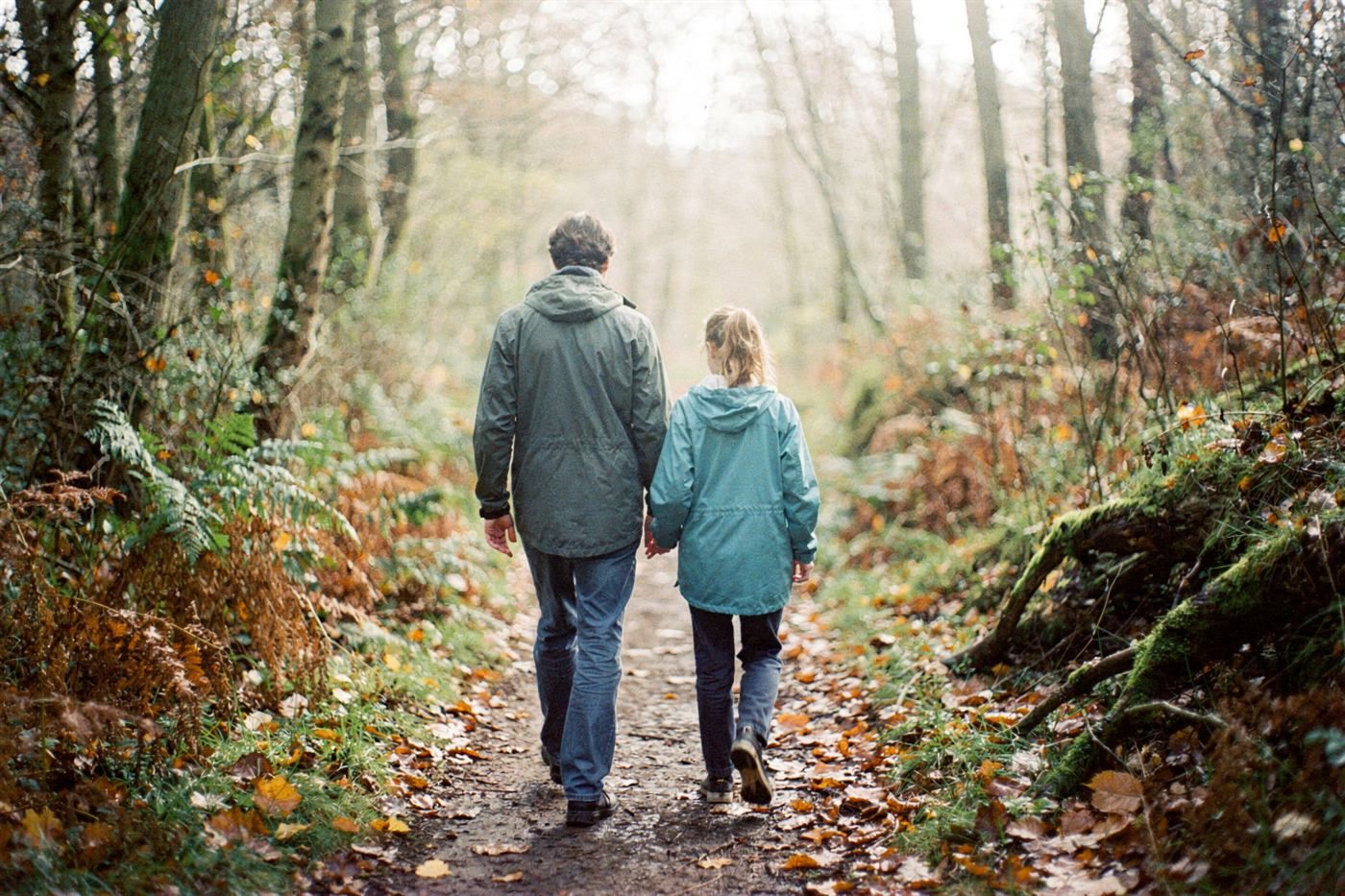
For young people who have had to be the most resilient in the room.
Young people at Willow House may have experienced several placement breakdowns, significant trauma or abuse, long-standing difficulty regulating their emotions, exclusion from school, or involvement with CAMHS.
We see that history as context. It helps us understand what a young person has been through and what they need from us. Our job is to be steady, to stay, and to help them believe the adults in their life won't leave.
“When a young person behaves in a way that pushes us away, we lean in. That's not naive. It's the most skilled thing we do.”Willow House Registered Manager
PACE: playfulness, acceptance, curiosity and empathy
Our approach is built on PACE, developed by Dan Hughes as part of Dyadic Developmental Psychotherapy. It is a way of being with young people that makes healing possible.
Playfulness
Humour and warmth build trust. We bring lightness to our relationships, alongside the serious things.
Acceptance
We accept the whole young person, including their shame, anger and fear. Accepting who they are is different from accepting all behaviour.
Curiosity
What is this young person trying to tell us? Curiosity keeps us from reacting and helps us respond.
Empathy
We name what we imagine they might be feeling and validate their experience without excusing harm.
Holding boundaries with care
Young people need firm boundaries, and a boundary without care is just a wall. Our approach to behaviour is always relational and focused on calming things down early.
Physical intervention is used only as a last resort, in line with the Children's Homes Regulations, and is always recorded. After any difficult moment we prioritise repair: a conversation and a reconnection that shows the relationship still holds.
- Individual positive behaviour support plans
- De-escalation as the first response, always
- Spotting triggers and patterns early
- Post-incident support and relational repair
- Involvement of CAMHS and external therapeutic support
Meeting young people where they are
We start by building safety, so a young person can tolerate a learning situation, try something new and, in time, discover they are capable.
- In-home education with qualified support staff
- Small-group or one-to-one alternative provision
- EHCP review support and specialist advocacy
- Vocational, creative and practical pathways
- Gradual return to school where appropriate
- Close liaison with Virtual School Heads
Does Willow House sound right for your young person?
We welcome referrals for young people with complex needs. No referral is too complex to at least discuss.